Record Growth in Clean Electricity in India Contributes to Global Fossil Fuel Decline
Decline in Fossil Fuel-Based Electricity Generation
India experienced a notable decrease in electricity production from fossil fuels in 2025, with a reduction of approximately 52 terawatt hours (TWh), according to the annual Global Electricity Review issued by the energy think tank Ember. This marked a significant shift, as it was the first instance since the onset of the COVID-19 pandemic that both India and China simultaneously reported declines in fossil fuel-generated electricity.
In 2025, China’s fossil fuel electricity generation fell by around 56 TWh, the first reduction since 2015, contributing to a broader global downturn in fossil fuel power generation. The Ember report highlighted that it was only the fifth occurrence this century when fossil fuel generation did not increase compared to the previous year, underscoring the impactful changes taking place in major energy markets.
Record Solar Energy Capacity Additions
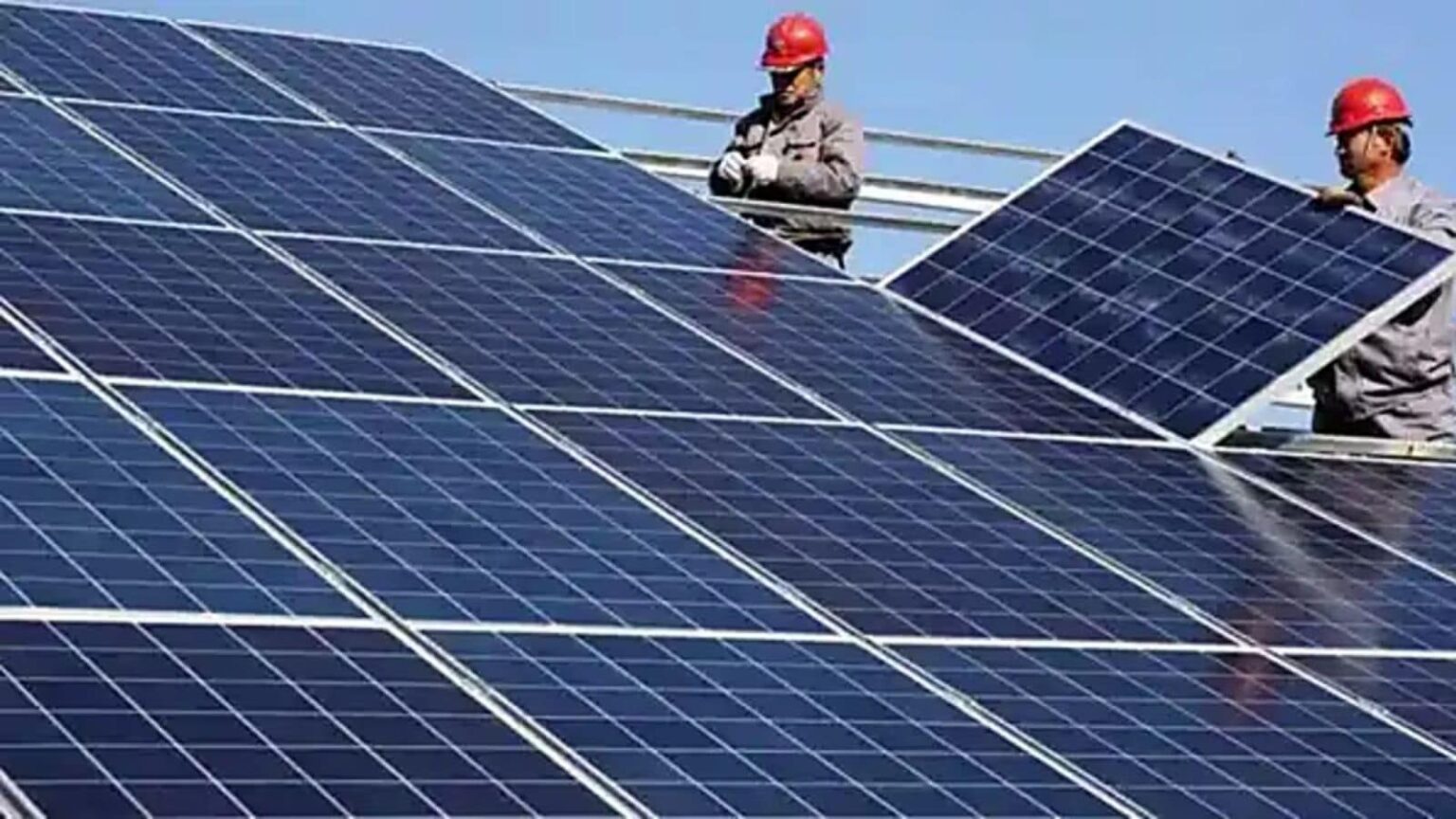
India added nearly 38 gigawatts (GW) of new solar energy capacity in 2025, surpassing the United States in annual solar installations for the first time. The United States contributed about 33 GW of solar capacity within the same period. Additionally, India installed over 6.3 GW of wind power and approximately 4 GW of hydropower capacity, resulting in a total renewable energy capacity addition exceeding 48 GW for the year.
The substantial boost in renewable energy was supported by a favorable climate, characterized by a good monsoon and milder summer temperatures. As a result, increased power generation from these renewable sources adequately met the modest growth in electricity demand, which was only about 49 TWh compared to the previous year. In contrast, renewable energy generation accounted for an increase of roughly 98 TWh from 2024 levels.
Impacts on Coal and Carbon Emissions
The findings from the Ember report align with earlier estimates regarding trends in India’s power sector. A study released in January by the Centre for Research on Energy and Clean Air (CREA), in partnership with Carbon Brief, noted that coal-fired electricity generation faced a year-on-year decline for the first time in 50 years, excluding the pandemic period. Coal remains the predominant source of fossil fuel-based power generation in India.
Prior research from CREA and Carbon Brief indicated that carbon dioxide emissions from India’s power sector also experienced a decline in the first half of 2025, marking the first drop when compared to the same period in 2024. These trends reflect a significant shift towards cleaner energy solutions and a commitment to reducing emissions amid global climate challenges.
Future Considerations
Looking towards 2026, forecasts suggest that India is likely to increase its renewable energy capacity even further than in the previous year. However, concerns arise regarding the impact of anticipated below-normal rainfall during the crucial monsoon season from June to September, which typically accounts for over 70% of India’s annual precipitation. Reduced rainfall could hinder hydropower generation while also elevating electricity demand, particularly in agriculture and cooling needs.
This potential increase in demand, prompted by more farmers relying on groundwater for irrigation and heightened use of air-conditioning due to hotter weather, poses significant challenges for India’s energy landscape in the coming year.