Workers Protest Amidst Rising Living Costs and Wage Discrepancies
Minimum Wage Increases and Worker Dissatisfaction
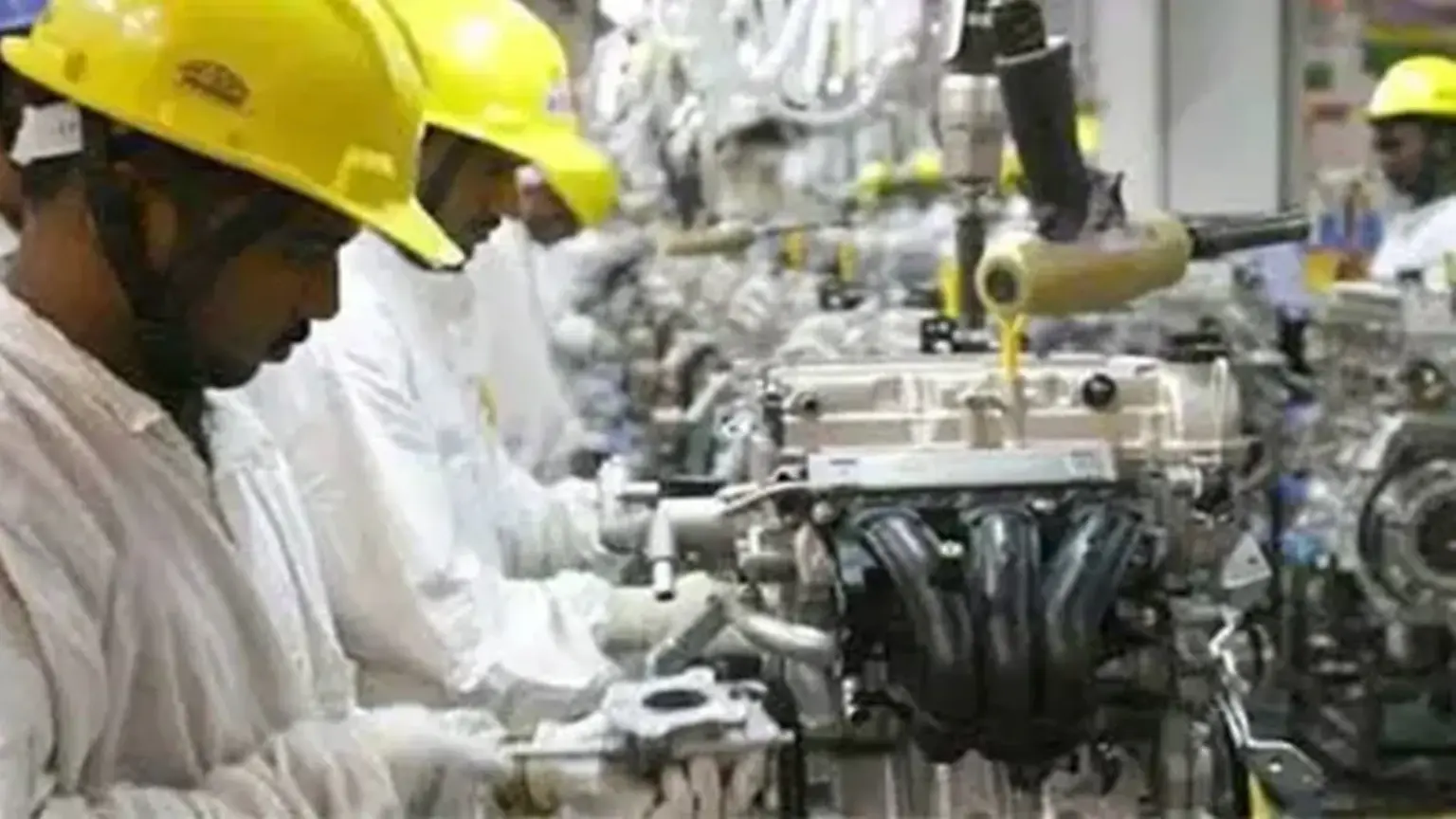
The governments of Uttar Pradesh and Haryana have recently announced minimum wage increases for workers following days of protests led by labor unions. However, union leaders argue that the increases are insufficient to address the cost of living increases, especially given that some states have not revised minimum wages in a decade or more. Rising prices of LPG gas cylinders, exacerbated by a conflict in West Asia, have intensified workers’ grievances, leading to widespread demonstrations.
Protests erupted particularly in the Noida industrial area after the Haryana government raised minimum monthly wages by 35%. The Centre of Indian Trade Unions (CITU) reported that the revised wages for unskilled workers in Uttar Pradesh now stand at Rs 13,690, while in New Delhi and Haryana, the figures are Rs 15,221 and Rs 18,456, respectively. The All India Trade Union Congress (AITUC) also criticized the wage revisions, calling them ineffective.
Workers’ Struggles Amid Inflation
Labor unions have cited ongoing issues such as harsh working conditions, low wages, and inadequate safety measures. CITU highlighted the increased burden of living costs triggered by inflation and gas shortages that have pushed workers to their limits. They noted that the price of a meal which used to cost Rs 60 has surged to Rs 100-120 at roadside eateries.
Naim Ahmed, District Secretary of AITUC in Noida, stated that workers are unhappy with the wage hike, asserting that the minimum wage should be raised to Rs 21,000. He also mentioned that many labor leaders have faced house arrest since April 9 as a result of their activism.
Protests and Workplace Violence
As protests escalated, most workers at Ess Aar Pvt Ltd, a Noida-based footwear manufacturer, found their planned celebrations disrupted by violence. Reports indicated that workers vandalized property, including smashing the director’s car and causing substantial damage to the factory premises. The unrest also led to multiple vehicles being set on fire, intensifying the unrest across the Noida industrial hub.
Workers in Noida highlighted their rising rent costs and living expenses despite stagnant wages. One worker, Pradeep, shared that his rent increased from Rs 5,500 to Rs 6,500 since April 1, alongside severe shortages of LPG. These pressures have fueled worker discontent and unrest in recent weeks.
Impact on the Local Economy
The protests have not only affected manufacturing output, but they have also damaged property belonging to nearby businesses. White-collar workers reported that they endured property damage during the protests, and some claimed they were compelled to join the protests alongside their blue-collar counterparts. One corporate employee recounted how protesters insisted that office workers participate, claiming that they had no understanding of the hardships faced by laborers.
Visuals from the protests showed significant damage to four-wheeled vehicles and corporate premises, drawing further attention to the tensions between different labor segments within the industrial community.
Inflation Trends Amid Global Conflict
As the protests unfolded, inflation indicators have shown a rise, which some experts attribute to disruptions arising from the ongoing conflict in West Asia. According to Dipti Deshpande, Principal Economist at Crisil, the Consumer Price Index inflation increased to 3.4% in March from 3.2% in February, with food and fuel prices contributing significantly to this rise. The conflict has also impacted India’s manufacturing sector, as indicated by a decrease in the manufacturing PMI index.
Pranjul Bhandari, Chief India Economist at HSBC, noted that the manufacturing PMI has declined, reflecting softer demand and rising input costs across numerous sectors. He pointed out that many companies are currently absorbing increased costs, which has helped keep output prices relatively stable but unsustainable in the long term.