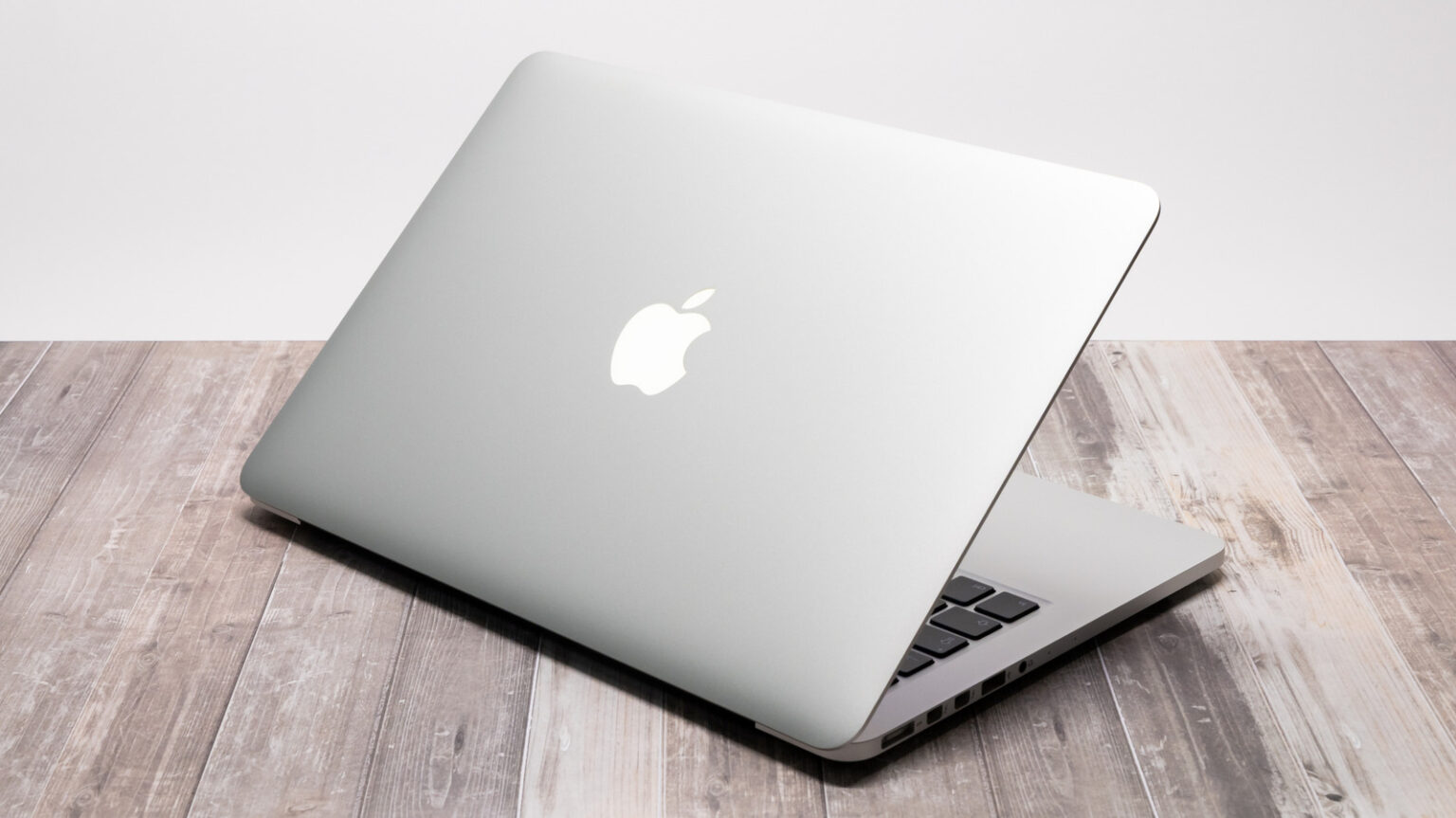
Apple Eliminates Glowing Logo on MacBooks: The Reasons Behind the Change
Evolution of the MacBook Design
Apple’s MacBooks are renowned for their distinctive designs, which have been mirrored by competitors for years. Recognizable in various settings such as schools and offices, these laptops have undergone significant design changes over the years to enhance portability and performance. Despite these improvements, certain design alterations, including the removal of all ports except for USB-C on specific models and the introduction of new keyboard designs, have faced backlash from users. A notable change was the elimination of the glowing Apple logo on the lid, a distinctive feature that set MacBooks apart from other laptops.
This transition began with the introduction of the 2015 MacBook design, which prioritized a thinner and lighter profile. The 12-inch model made history as Apple’s slimmest and lightest laptop, thanks in part to its energy-efficient Retina display that measured only 0.88 millimeters thick. Although Apple included a stainless steel Apple logo on the top case, it did not offer an explanation for the absence of the iconic glowing feature, which remained available on that year’s MacBook Pro and MacBook Air releases.
Mechanism of the Glowing Logo
The glowing Apple logo made its debut in 1999 on the PowerBook G3 Lombard. The mechanism was straightforward; it utilized the laptop’s display backlight to shine through a cutout in the lid. Initially, the logo was oriented for the user to view it upright when opening the laptop. However, in 2001, Apple modified the logo’s orientation so that it faced correctly for individuals viewing the laptop from behind, effectively turning it into a silent promotional tool in public spaces.
While Apple did not officially address the logo’s removal with the launch of the 12-inch MacBook in 2015, the implication was clear: the need for a thinner design superseded the trademark glowing feature. The MacBook Pro followed suit in 2016 with a complete redesign and also omitted the glowing logo. By 2018, the redesigned MacBook Air adopted a similar stainless steel logo.
Additionally, it is possible that Apple sought to standardize the logo designs across its product lineup. Unlike MacBooks, the iPhone and iPad models feature static logos made from metal or glass, aiding in brand consistency. Presently, all existing iPhone, iPad, and MacBook models sold by Apple come with non-glowing logos.
Challenges of Reintroducing the Glowing Logo
The 2015 MacBook did not merely drop the glowing logo; it also introduced significant changes such as the butterfly keyboard and a fanless design. This model featured only one USB-C port, a smaller logic board, and a terraced battery. These design principles influenced subsequent models, including the 2016 MacBook Pro, which also eliminated legacy ports to favor USB-C and integrated a Touch Bar with Touch ID, along with a butterfly keyboard. The 2018 MacBook Air adopted additional lightweight features and ports, further shifting toward a minimalist aesthetic.
Since then, Apple has addressed some design issues; in 2019, it released a new keyboard design to replace the criticized butterfly model. In 2021, a redesigned MacBook Pro once again included MagSafe support and additional ports, while the 2022 MacBook Air redesign reintroduced MagSafe without reverting to the glowing logo.
Looking forward, major redesigns such as the anticipated M6 MacBook Pro may arrive in late 2026 or early 2027. This upcoming model is expected to feature an OLED panel and touchscreen display. However, the glowing logo is not expected to return, as OLED technology does not support backlighting in the same way earlier displays did. Moreover, any further reductions in thickness may complicate the reintroduction of the glowing feature, making its comeback seem increasingly unlikely.