Activists Raise Concerns Over SIR Deletions in West Bengal
Allegations of Systemic Manipulation
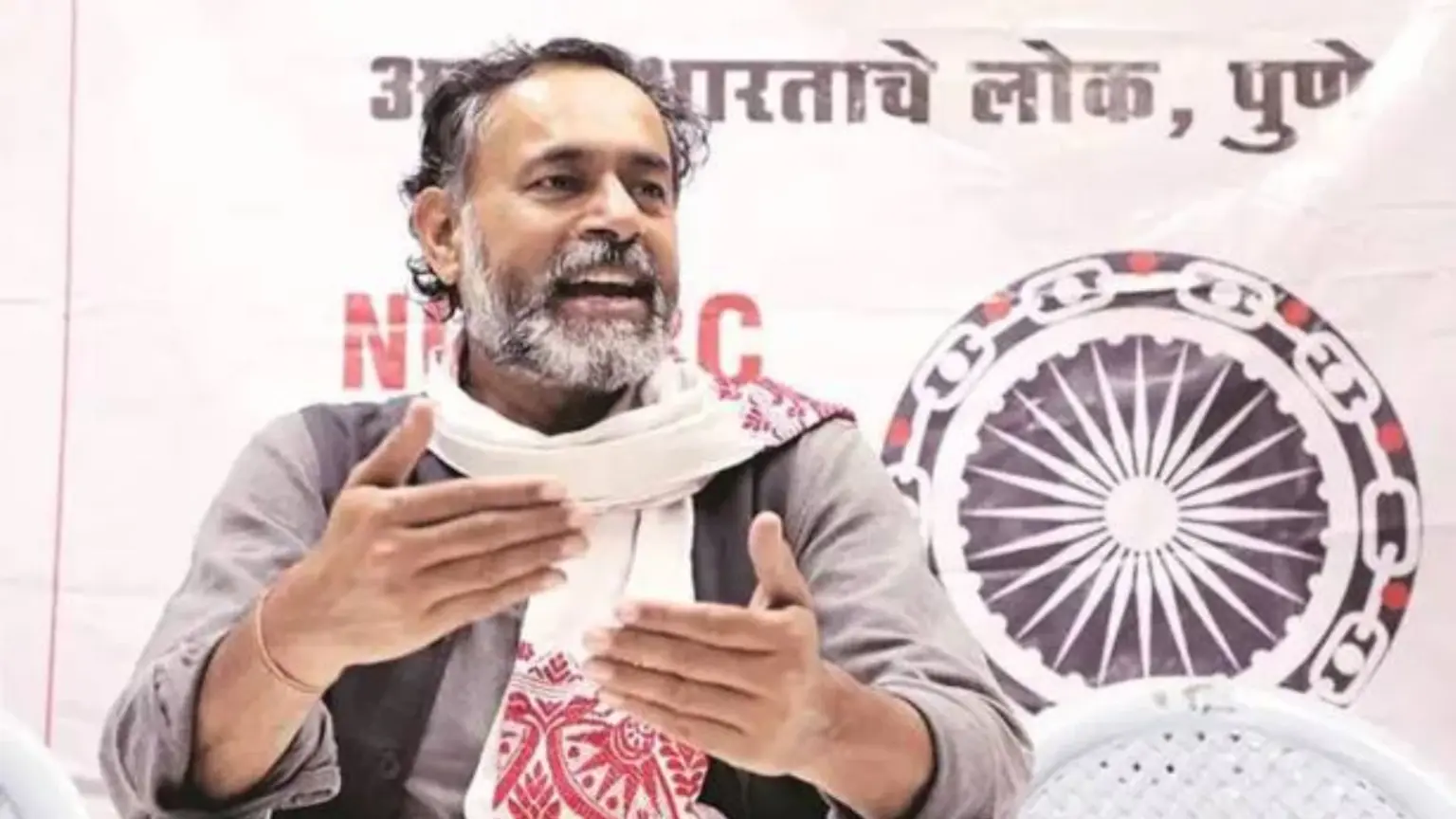
Kolkata – The Educationists’ Forum has raised alarms regarding possible manipulation of electoral rolls in West Bengal during the ongoing Special Impediment Removal (SIR) exercise. During a press conference titled ‘Unite & Fight Manipulation of Electoral Mandate’ held on Sunday, Swaraj India member and political activist Yogendra Yadav emphasized that the SIR process should not be seen as a routine revision.
The conference featured notable figures including Supreme Court lawyer Prashant Bhushan, Professor Deb Narayan Bandopadhyay, Professor Parakala Prabhakar, Dr. Om Prakash Mishra, and Professor Akhil Swami. The panel expressed concerns about the “large-scale exclusions” anticipated during the SIR exercise, particularly with regard to potential impacts on minority communities. They urged the Supreme Court to intervene in the matter.
Details of the SIR Exercise
Yadav described the SIR exercise as a significant intervention, stating, “Bihar was a trial run, the real target is West Bengal.” He highlighted that the initial voter list showed a close match with the adult population, estimating figures at approximately 7.67 crore adults and 7.66 crore voters, indicating a 99% match, which he deemed ideal.
Countering claims of unauthorized insertions within the voter rolls, Yadav reported that out of 100 applications, only 59 were approved. He pointed out what he termed “extraordinary administrative measures,” notably the deployment of around 8,000 micro roll observers in contrast to minimal figures in other states. Yadav questioned the rapid adjudication of cases, reporting that nearly 60 lakh applications were processed in less than 30 days, with some officials managing as many as 250 cases in a single day.
Legal Implications
Prashant Bhushan criticized the legal grounding of the SIR exercise, referencing Section 21 of the Representation of the People Act. He argued that this section permits intensive revisions only under specific circumstances, which require adequate justification and time for proper execution. Bhushan contended that the current process deviates from established protocols by necessitating new enumeration forms for all voters. “This has never happened before,” he noted, emphasizing the challenges faced in tracking deletion applications due to a lack of timely updates online.
Bhushan also denounced the rule regarding “logical discrepancies” as unfounded, suggesting it could disproportionately disadvantage the Muslim community. He warned that such classifications could lead to the marginalization of these populations, stating, “They’ll be treated like refugees,” and lamented the Supreme Court’s apparent inaction regarding these developments.
Potential Consequences
Expressing grave concerns, Bhushan remarked, “If the right to vote is taken away, it opens the door for other rights to be diluted or withdrawn.” He characterized the SIR exercise as a substantial threat to the relationship between citizens and the government.
Political economist Parakala Prabhakar observed that the unfolding events in Bengal carry broader implications nationwide. He highlighted the importance of allowing voters to choose their representatives and warned against the potential manipulation by those in power. Referring to the situation as a ‘deepening democratic crisis,’ Parabhakar called on the judiciary to protect citizens’ rights and prevent governmental divisions.
Next Steps
Dr. Om Prakash Mishra, president of the Institute of Development Studies Kolkata (IDSK), confirmed that the concerns surrounding the SIR would be presented to the Supreme Court on the following Monday. The unfolding situation continues to draw scrutiny from various stakeholders in West Bengal and beyond as discussions around electoral integrity deepen.