
LPG Crisis in India: Implications for Nutritional Access
Impact of the Ongoing Conflict on LPG Supplies
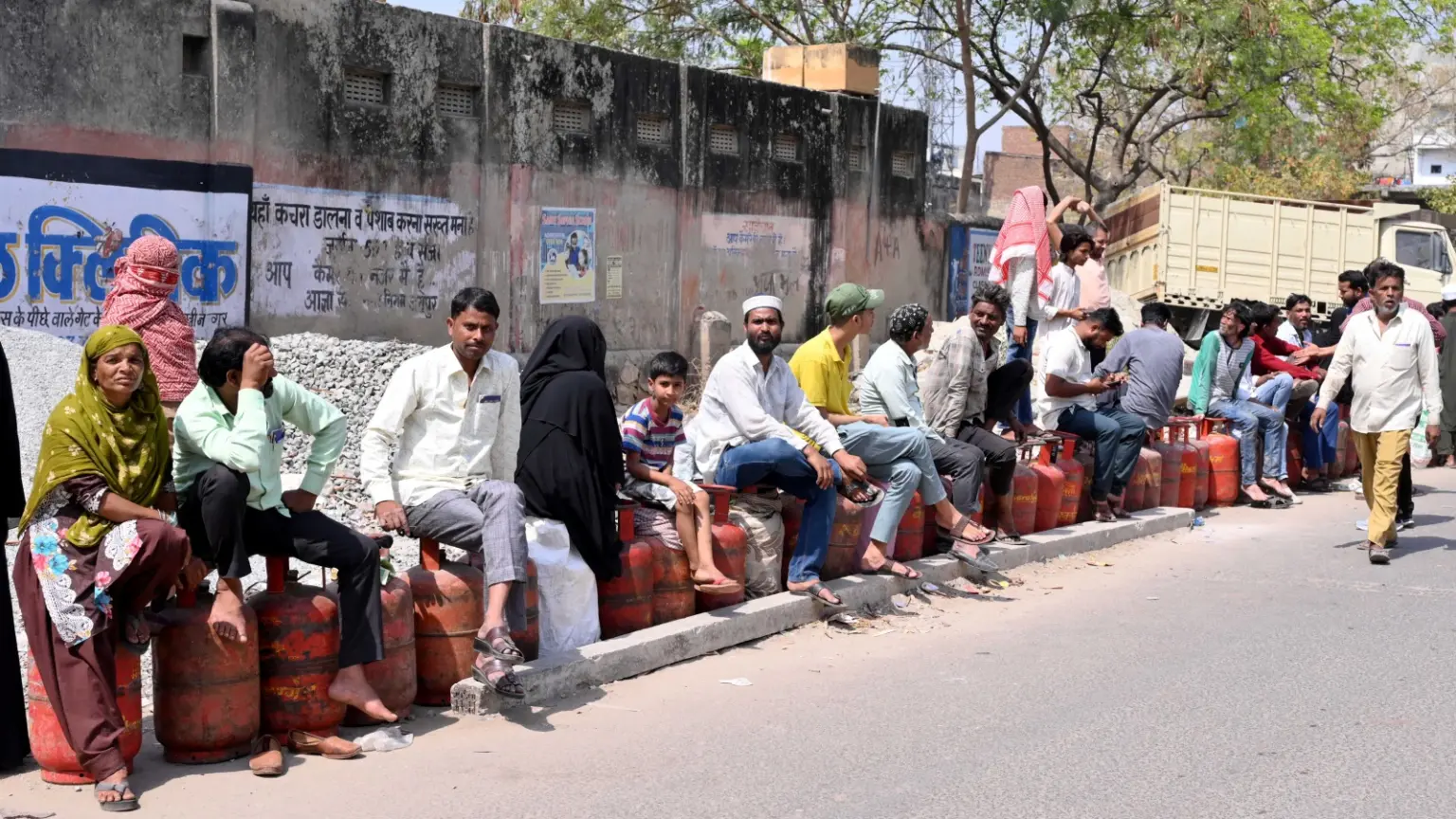
The current conflict in West Asia has led to a significant LPG supply crisis in India. This disruption has resulted in soaring prices, increased panic buying, extended queues, and black-marketing activities. There have been reported declines in outputs from small industries that depend on LPG, and numerous migrant workers, particularly in urban centers like Delhi, Mumbai, and Surat, have started returning to rural areas, drawing parallels to the lockdown experienced during the COVID-19 pandemic. To manage the crisis, the government has sensibly prioritized domestic LPG supply over industrial and restaurant use while also exploring alternative imports.
The LPG crisis raises important questions regarding its implications for access to and preparation of diets that adhere to India’s nutritional guidelines. There are both direct and indirect consequences that stem from the rising costs associated with cooking fuel. According to the nationally representative Household Consumption Expenditure Survey (HCES) data from 2023-24, fuel and light account for approximately 6.1 percent of total monthly per capita expenditure in rural regions and 5.6 percent in urban areas, emphasizing comparable costs to those spent on other essentials such as healthcare and education.
Consequences for Food Production and Affordability
As India relies heavily on imported fertilizers and raw materials, disruptions to fertilizer supply chains coupled with escalating costs of mechanization and transportation are likely to significantly increase cultivation costs. This situation raises concerns over food inflation, which may further diminish access to a healthy diet. Even before the crisis, the affordability of healthy diets was a challenge for many households. Estimates from HCES for 2023-24 suggest that the national average Cost of a Healthy Diet (CoHD) for a non-vegetarian diet stands at Rs 73.1 per person per day. This indicates that between 25% to 49% of the population may struggle to afford the basic components necessary for a healthy diet, depending on the thresholds considered.
The overall costs associated with meal preparation extend beyond raw food prices, incorporating expenses such as spices and, significantly, the cost of cooking fuel. When these additional costs are factored in, the CoHD rises by approximately Rs 9.5, with Rs 6.5 attributed to cooking fuel expenses. Consequently, the proportion of the population unable to afford a healthy diet escalates to between 32% and 62%, contingent upon the affordability threshold applied. Given the ongoing war, the contribution of cooking fuel costs to total meal preparation expenses is expected to increase, compounding the increase in food prices and further lowering the accessibility of nutritious diets.
Recommendations for Addressing the Crisis
In light of the current challenges, research underscores the necessity of addressing not only dietary diversity but also related factors such as access to and affordability of cooking fuel, the efficacy of social safety nets, and the distribution of household labor, which collectively influence dietary choices. In the short term, it is vital to expand social safety net programs to subsidize nutritious foods, including pulses, vegetables, eggs, meat, and nuts, to alleviate the impact of rising food prices while promoting consumption levels recommended by the Indian Council of Medical Research (ICMR).
Continued support for initiatives like the Pradhan Mantri Ujjwala Yojana (PMUY) is essential, especially for accommodating migrant populations, even temporarily. Looking ahead, agricultural policies could play a crucial role in enhancing the availability of nutritious foods. The ongoing rise in fuel expenses, combined with the potential for global food price increases, highlights the importance of adopting a comprehensive food systems approach to national food policy.
In a country facing persistent levels of malnutrition, the ramifications of such shocks are immediate and impactful on health and nutrition outcomes. It is imperative to maintain a focus on nutrition security to navigate the challenges posed by the current crisis.
Follow US
https://www.facebook.com/charchaexpress
https://www.youtube.com/@charcha-express
https://www.instagram.com/charcha.express/
Contents
Impact of the Ongoing Conflict on LPG SuppliesThe current conflict in West Asia has led to a significant LPG supply crisis in India. This disruption has resulted in soaring prices, increased panic buying, extended queues, and black-marketing activities. There have been reported declines in outputs from small industries that depend on LPG, and numerous migrant workers, particularly in urban centers like Delhi, Mumbai, and Surat, have started returning to rural areas, drawing parallels to the lockdown experienced during the COVID-19 pandemic. To manage the crisis, the government has sensibly prioritized domestic LPG supply over industrial and restaurant use while also exploring alternative imports.The LPG crisis raises important questions regarding its implications for access to and preparation of diets that adhere to India’s nutritional guidelines. There are both direct and indirect consequences that stem from the rising costs associated with cooking fuel. According to the nationally representative Household Consumption Expenditure Survey (HCES) data from 2023-24, fuel and light account for approximately 6.1 percent of total monthly per capita expenditure in rural regions and 5.6 percent in urban areas, emphasizing comparable costs to those spent on other essentials such as healthcare and education.Consequences for Food Production and AffordabilityAs India relies heavily on imported fertilizers and raw materials, disruptions to fertilizer supply chains coupled with escalating costs of mechanization and transportation are likely to significantly increase cultivation costs. This situation raises concerns over food inflation, which may further diminish access to a healthy diet. Even before the crisis, the affordability of healthy diets was a challenge for many households. Estimates from HCES for 2023-24 suggest that the national average Cost of a Healthy Diet (CoHD) for a non-vegetarian diet stands at Rs 73.1 per person per day. This indicates that between 25% to 49% of the population may struggle to afford the basic components necessary for a healthy diet, depending on the thresholds considered.The overall costs associated with meal preparation extend beyond raw food prices, incorporating expenses such as spices and, significantly, the cost of cooking fuel. When these additional costs are factored in, the CoHD rises by approximately Rs 9.5, with Rs 6.5 attributed to cooking fuel expenses. Consequently, the proportion of the population unable to afford a healthy diet escalates to between 32% and 62%, contingent upon the affordability threshold applied. Given the ongoing war, the contribution of cooking fuel costs to total meal preparation expenses is expected to increase, compounding the increase in food prices and further lowering the accessibility of nutritious diets.Recommendations for Addressing the CrisisIn light of the current challenges, research underscores the necessity of addressing not only dietary diversity but also related factors such as access to and affordability of cooking fuel, the efficacy of social safety nets, and the distribution of household labor, which collectively influence dietary choices. In the short term, it is vital to expand social safety net programs to subsidize nutritious foods, including pulses, vegetables, eggs, meat, and nuts, to alleviate the impact of rising food prices while promoting consumption levels recommended by the Indian Council of Medical Research (ICMR).Continued support for initiatives like the Pradhan Mantri Ujjwala Yojana (PMUY) is essential, especially for accommodating migrant populations, even temporarily. Looking ahead, agricultural policies could play a crucial role in enhancing the availability of nutritious foods. The ongoing rise in fuel expenses, combined with the potential for global food price increases, highlights the importance of adopting a comprehensive food systems approach to national food policy.In a country facing persistent levels of malnutrition, the ramifications of such shocks are immediate and impactful on health and nutrition outcomes. It is imperative to maintain a focus on nutrition security to navigate the challenges posed by the current crisis.